How to Start a Boutique Business in 2026: The Ultimate 12-Step Checklist
Want to launch your dream store? Here is the ultimate checklist on how to start a boutique business in 2026, from niche selection to AI tools.

Starting a boutique has always been a dream for many, but doing it in 2026 is a whole new ballgame. The days of just “opening a shop” and waiting for customers are gone.
Today, the boutique market is buzzing with opportunities, but it is also louder and more tech-driven than ever. I have seen firsthand how small businesses are either thriving by adapting or struggling by sticking to old ways. The boutique industry is projected to reach new heights this year, but the winners will be those who combine personal style with smart technology.
If you are feeling overwhelmed by all the trends, legalities, and tech choices, take a deep breath. We have broken it down into a clear, actionable roadmap.
Here is your ultimate 12-step checklist on how to start a boutique business in 2026.
1. Find Your Niche (and Own It)
The “general store” approach is dead. In 2026, customers crave hyper-personalization. They want to buy from a brand that “gets” them.
- What it is: Identifying a specific segment of the market to serve passionately.
- How to do it: Finding a niche that lasts is an art. If you are struggling with this, check out our deep dive on how to find a profitable niche that covers evergreen vs. trendy markets.
- Implementation: instead of just “women’s clothing,” think “sustainable ethnic wear for millennials” or “curated vintage accessories for Gen Z.”
- Why it matters: Specificity builds loyalty. Trends like “perma-jewelry” or “slow fashion” are huge right now because they speak to specific values.
2. Validate Your Idea with Market Research
Before you spend a single Rupee (₹), you need to know if people actually want what you are selling. Don’t rely on guesswork.
- Look at competitors: improving on what they lack is a great strategy.
- Social Listening: Use Instagram and TikTok to see what’s trending. Are people complaining about the lack of size inclusivity? That is your gap.
- Experiential Retail: validation isn’t just about product; it is about the experience. Are customers looking for more than just a transaction?
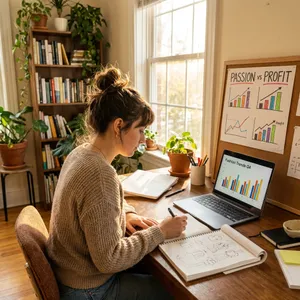
3. Create a Modern Business Plan
Your business plan is your GPS. It doesn’t need to be a 100-page document, but it needs to cover the essentials.
- Lean Canvas Model: A one-page plan that covers your problem, solution, unique value proposition, and customer segments.
- Financials: Include your startup costs, projected revenue, and—crucially for 2026—your tech budget (AI tools, POS, etc.).
4. Handle the Legal “Boring Stuff” Early
Getting the paperwork out of the way allows you to focus on the fun stuff without looming anxiety.
- Registration: Decide between a Sole Proprietorship, Partnership, or LLC.
- GST Registration: In India, being GST compliant is non-negotiable for scalability. How to download GST certificate is a common query we get, so make sure you are sorted here early.
- Licenses: Don’t forget the Shop & Establishment Act license if you are opening a physical space.
5. Secure Your Funding
You need capital to fuel your inventory and operations.
- Bootstrap vs. External: Can you fund it yourself, or do you need a loan?
- Government Schemes: Look into schemes like the Mudra Yojana which are designed to support small Indian businesses.
- Budgeting: Always keep a buffer. 2026 is unpredictable, and having cash flow is king.
6. Source Your Inventory Smartly
Your product is your reputation. Sourcing effectively determines your profit margins.
- Suppliers: Platforms like IndiaMart are great, but don’t underestimate local artisans and trade shows.
- Dropshipping: A viable option if you want to test waters without holding stock, though margins are lower.
- Sustainability: Sourcing eco-friendly materials is no longer “nice to have”—it is a major selling point.
7. Choose Your Location (Physical vs. Online)
This is one of your biggest decisions.
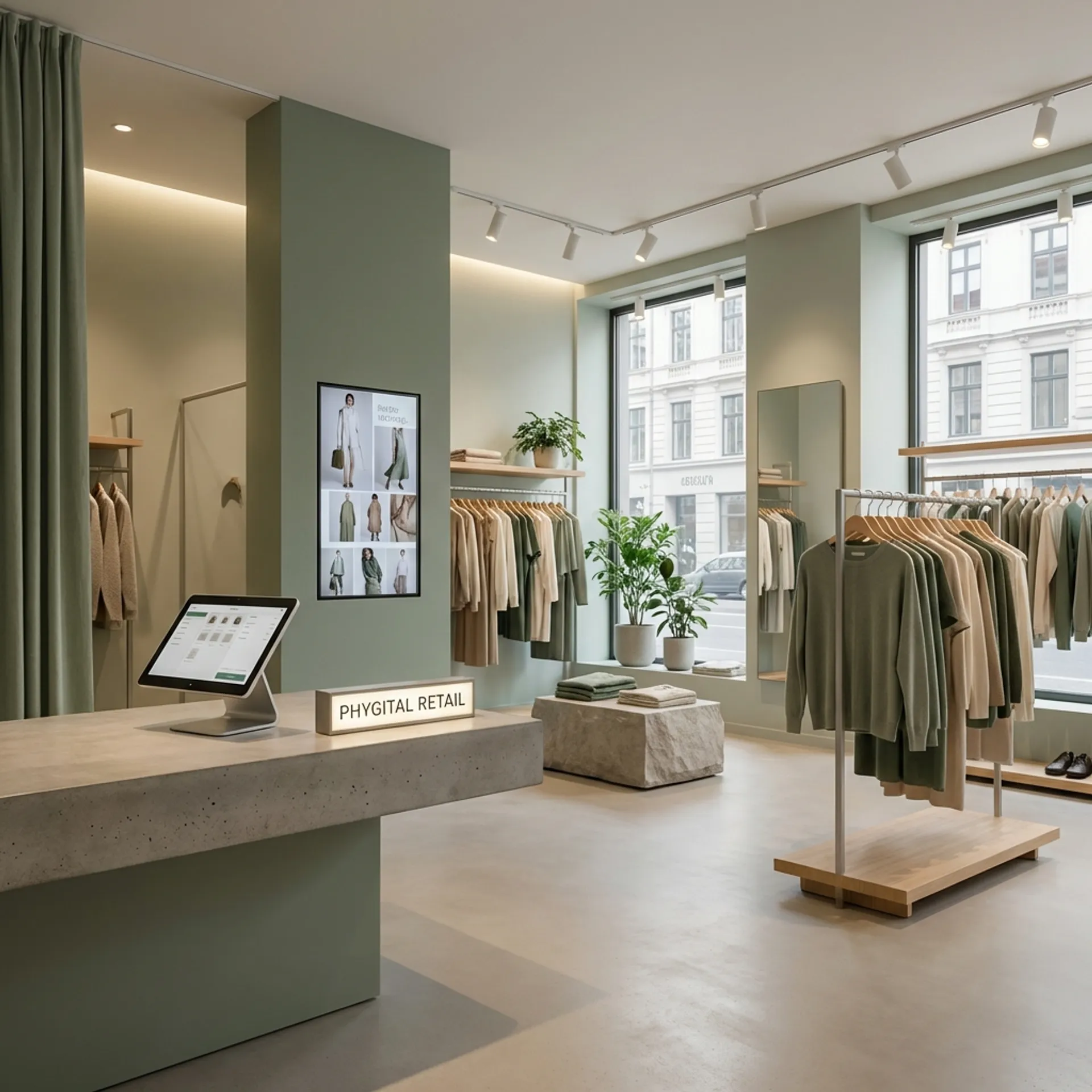
- Physical: If you go brick-and-mortar, think “Experience Center.” Minimalist designs with comfortable seating are trending.
- Online: Shopify or WooCommerce? Or maybe marketplaces like Myntra and Ajio?
- Hybrid (Phygital): The best of both worlds. Buy online, pick up in-store is a massive trend for 2026.
8. Set Up Your “Tech Stack” (Crucial for 2026)
This is where many fail. You cannot run a modern boutique with a notebook and calculator.
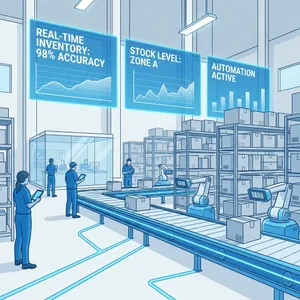
- ERP & POS: You need a system that handles inventory, billing, and GST in one place. Using a robust inventory management system is essential to avoid stockouts.
- Zubizi: We built Zubizi specifically for this. It handles your offline and online sales, inventory, and GST compliance seamlessly.
- AI Tools: Use simple AI tools for generating product descriptions or managing customer support chats.
9. Price for Profit
Pricing is an art and a science.
- Strategies: Cost-plus pricing is safe, but value-based pricing allows for better margins if your brand is strong.
- Hidden Costs: Factor in packaging (unboxing experience matters!), shipping, and returns.
- Currency: Always calculate and display prices in INR (₹) clearly for your Indian customers.
10. Build Your Brand Identity
Your brand is what people say about you when you are not in the room.
- Visuals: 2026 trends favor calming shades like sage green and shale green.
- Logo & Tone: Keep it consistent across your signboard, website, and Instagram bio.
- Unboxing: The “unboxing video” is free marketing. Make your packaging shareable.
11. Launch with a Bang (Marketing)
Don’t just open the doors; make an entrance.
- Social Media: Instagram Reels are still king for fashion. Show behind-the-scenes content.
- Influencers: You don’t need celebrities. Micro-influencers with local engagement work wonders.
- Local SEO: Ensure your Google Business Profile is optimized so locals can find you easily.
12. Analyze and Adapt
The work doesn’t stop at launch.
- Review: Look at your sales reports weekly. Which items are moving? Which are dead stock?
- Feedback: Listen to your customers. If they want a specific payment method, add it.
- Agility: The ability to pivot fast is your superpower as a small business.
Conclusion
Starting a boutique business in 2026 is an exciting journey. It requires a mix of creative passion and disciplined execution. By following this checklist, you are setting a strong foundation.
Remember, technology is your friend. Whether it is using the best billing software or leveraging AI for marketing, these tools are there to help you focus on what you do best: curating amazing products for your customers.
Start small, think big, and don’t be afraid to put your unique stamp on the world. Good luck!