Pro Forma Invoice in India: 7 Key Facts Every SME Owner Must Know
Confused about Pro Forma Invoices? Learn exactly what they are, how they differ from Tax Invoices under GST, and when Indian SMEs should use them.

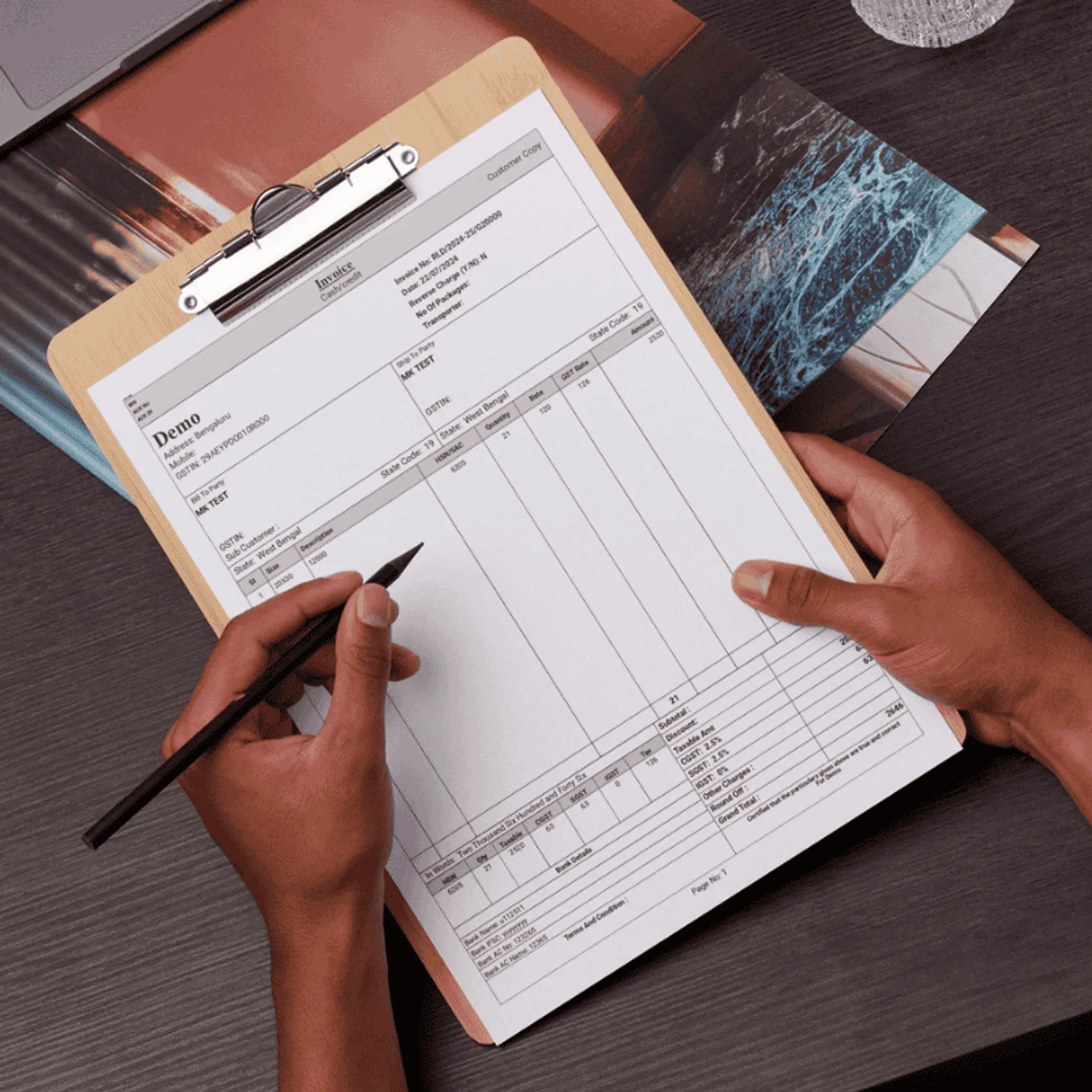
If you run a business in India, you have likely heard the term Pro Forma Invoice. Maybe a client asked for one before releasing payment, or perhaps your supplier sent you one instead of a “real” bill.
But wait - is it a valid legal document? Can you pay GST on it? And how is it different from a Quotation or a Tax Invoice?
I remember when we first started Zubizi, dealing with these different documents was confusing. We would wonder, “Why not just send a final invoice?” The clearer we got on these terms, the smoother our operations became.
In this guide, I will break down everything you need to know about Pro Forma Invoices in India, stripped of the jargon and focused on what actually matters for your business.
1. What is a Pro Forma Invoice, Really?
Think of a Pro Forma Invoice as a “Draft Bill”. The term comes from Latin, meaning “for the sake of form”.
It is a preliminary bill of sale sent to buyers in advance of a shipment or delivery of goods. It describes the items, their value, and other important information like shipping weight and transport charges.
Why use it? It helps the buyer understand exactly what they are paying for and how much, before the transaction is finalized. It is like a commitment from the seller to sell goods at a specified price and date.
2. Pro Forma Invoice vs. Tax Invoice vs. Quotation
This is where most business owners get stuck. Let’s clear the confusion once and for all.
Quotation
- What it is: A rough estimate of costs.
- When to use: When a customer asks “How much will this cost?”
- Binding? No. Prices can change.
Pro Forma Invoice
- What it is: A precise “preview” of the final invoice.
- When to use: When the customer agrees to the price but the sale isn’t final (e.g., waiting for advance payment).
- Binding? Generally no, but it shows “good faith”.
Tax Invoice (GST Invoice)
- What it is: The final, legal demand for payment.
- When to use: After the sale is confirmed or goods are shipped.
- Binding? Yes. This creates a GST liability.
Key Takeaway: You cannot use a Pro Forma Invoice to claim Input Tax Credit (ITC). Only a valid Tax Invoice works for that.
3. Is a Pro Forma Invoice Legally Binding?
Short answer: No.
In the eyes of Indian law and GST regulations, a Pro Forma Invoice is essentially a commercial quote in an invoice format. It does not force the buyer to pay, nor does it force the seller to deliver if terms aren’t met.
However, it is a professional way to say, “Here are the final terms. If you agree, send the payment, and we will process the order.”
4. When Should You Use a Pro Forma Invoice?
I recommend using them in these specific scenarios:
- Requesting Advance Payment: If you need 50% or 100% payment before starting work or shipping goods.
- International Trade (Exports): Customs authorities often require a Pro Forma Invoice to value the goods for duties before they ship.
- Internal Approval: Your client might need a formal document to get budget approval from their finance team before they can issue a Purchase Order (PO).
5. What Should Be Included in the Format?
Even though it’s not a “Tax Invoice”, it should look professional. A good Pro Forma Invoice in India should include:
- Header: Clearly label it “PRO FORMA INVOICE” (so it’s not confused with a GST invoice).
- Date & Validity: “Valid for 30 days”.
- Seller & Buyer Details: Names, Addresses, GSTIN (optional but recommended for clarity).
- Product Details: Description, HSN/SAC Codes, Quantity, Unit Price.
- Applicable Taxes: Show the expected CGST/SGST/IGST amounts so the buyer knows the total cost.
- Bank Details: Where should they send the money?
6. Common Mistakes to Avoid
I have seen many businesses make these simple errors that lead to delays:
- Treating it as a Final Invoice: Do not enter this into your accounting software as “Sales”. It is not a sale yet.
- Forgetting the Expiry Date: Prices change. If you don’t put a “Valid until” date, a client might come back 6 months later expecting the same price.
- Not Mentioning “Pro Forma”: If you don’t label it clearly, your client’s accountant might wrongly claim GST credit on it, leading to compliance notices later.
7. How to Create One Easily?
You can use a simple spreadsheet/Word template, or better yet, use a billing tool.
Using a tool like Zubizi Billings allows you to create a Pro Forma Invoice in one click and then “Convert to Tax Invoice” automatically once you receive payment. This saves you from typing the same data twice and removes manual errors.
Conclusion
A Pro Forma Invoice is a powerful tool for clarity and negotiation. It protects you by ensuring you and your client are on the same page before goods leave your warehouse.
Remember:
- It is not for GST credit.
- It acts as a final draft.
- It helps you get paid faster.
If you are looking for a way to streamline your estimates and invoices, check out our GST Billing Software. It handles all the formats for you so you can focus on growing your business.
Have you ever had a confusion regarding Pro Forma invoices? Let me know!