Top 7 Best Billing Software for Retail Shop in 2026 (Reviews & Pricing)
Discover the best billing software for retail shop in 2026. Compare Zubizi, Marg, Tally, and more to find the perfect fit for your business.

Retail in 2026 is faster, smarter, and more demanding than ever before. If you are still using a calculator or outdated software that takes ten minutes to print a simple bill, you are already losing customers.
The checkout counter is where your customer’s journey ends, and it needs to be flawless. Long queues, slow billing, and inventory mismatch headaches are signs that your system is failing you.
The solution is simple: adopt a modern, efficient billing software that does the heavy lifting for you.
But with so many options flooding the market, how do you choose? To help you decide, I have tested and reviewed the top contenders. Here are the top 7 best billing software for retail shop in 2026 that can transform your business.
1. Zubizi (The Best Choice)
When it comes to the best billing software for retail shop in 2026, Zubizi stands alone at the top. We built Zubizi specifically to solve the chaos of modern retail. It is not just a billing tool; it is a complete operating system for your shop.
Why I like it: Zubizi is stunningly intuitive, letting you train staff in 10 minutes. Unlike clunky legacy tools.
Who it is for: Perfect for all retail businesses, from fashion boutiques and electronics stores to supermarkets and gift shops.
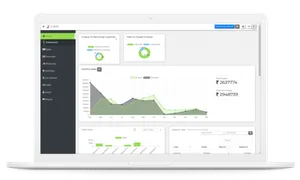
UI/UX Assessment: Zubizi is a breath of fresh air in the billing world. We designed it with a “zero-training” philosophy. The interface uses modern elements, clean typography, and intuitive navigation that feels like using a high-end smartphone app. It reduces screen clutter, focusing only on what you need at the moment, which significantly drops the learning curve for new staff.
Pros:
- Blazing Fast Billing: Create GST-compliant invoices in seconds.
- Modern UI/UX: A beautiful, clean interface that looks premium and is a joy to use.
- Inventory Control: Zubizi has a robust inventory control out of the box.
- Flexible Deployment: Choose between Cloud or On-Premise based on your needs.
Cons:
- Brand Recognition: It hasn’t reached the universal fame of legacy tools like Tally yet, so traditional accountants might need a brief introduction.
- It is so easy to use that you might miss the complexity of older systems (if you liked that!).
Pricing:
- One time pricing starting from 13,000 INR with only 30% annual maintenance for updates, maintenance and support.
2. Marg ERP 9+
Marg has been a heavyweight in the Indian market for decades. It is a robust system known for its extensive feature set.
Why I like it: It is deeply reliable and has specific features tailored for the pharmaceutical industry which are hard to beat.
Who it is for: Primarily chemists, pharmacies, and large traditional distributors who need granular control.
UI/UX Assessment: Marg prioritizes utility over aesthetics. The interface is text-heavy and reminiscent of older Windows 98 applications. While it allows for very fast keyboard-only operation once mastered, the dense menus and lack of visual hierarchy can be intimidating for digital natives or new employees.
Pros:
- Deep Inventory Management: Excellent for tracking thousands of batches and salt compositions.
- Widely Used: Many accountants are already familiar with it.
Cons:
- Outdated UI: The interface feels like it is stuck in the Windows 98 era. It can be cluttered and intimidating for new users.
- Steep Learning Curve: Requires significant training to master.
- On-Premise Focus: Lacks the seamless cloud flexibility of modern SaaS platforms like Zubizi.
Pricing:
- Nano version starting from 5,550 INR.
3. Tally Prime
Tally is synonymous with accounting in India. Tally Prime is their modern iteration, bringing a smoother look to the classic software.
Why I like it: Its strength lies in pure accounting and compliance. If your primary goal is keeping your CA happy, Tally is the standard.
Who it is for: Businesses where backend financial accounting takes priority over frontend billing speed.
UI/UX Assessment: Tally Prime is a significant upgrade from ERP 9, offering a cleaner, flatter look. However, it remains a keyboard-centric tool designed for accountants, not cashiers. It lacks the graphical richness and touch-friendly elements of modern POS systems, making it functional but strictly utilitarian.
Pros:
- Audit Trail: unparalleled compliance and audit features.
- Reliability: Rock-solid stability for financial data.
Cons:
- Not a POS Specialist: It is an accounting software first, billing software second. It lacks the speed and retail-centric features of dedicated POS systems.
- Basic UI: Functional, but lacks the modern visual appeal.
- Add-ons Required: Features like loyalty programs often need third-party integrations.
Pricing:
- TallyPrime Silver (Single User) starting from 8,100 INR per year.
4. Gofrugal
Gofrugal is a steady player in the retail POS space, offering a functional solution for many chain stores.
Why I like it: It offers a stable POS system that handles core retail functions reasonably well.
Who it is for: Supermarkets and retail chains that value stability over modern aesthetics.
UI/UX Assessment: Gofrugal offers a pragmatic interface. It does not win design awards for beauty, but it is built for speed in high-volume environments. The UI is straightforward but can feel a bit rigid. It avoids clutter but lacks the “delight” factor of modern SaaS interaction.
Pros:
- Decent Inventory: Handles supermarket inventory requirements effectively.
- Stability: Known for being a workhorse in high-volume environments.
Cons:
- Support Issues: Users frequently cite slow or unresponsive customer support.
- Functional UI: The interface gets the job done but isn’t exciting or particularly modern.
- Cost: Can get expensive for smaller shops compared to newer cloud alternatives.
Pricing:
- Starter plan starting from 7,000 INR per year.
5. Vyapar
Vyapar carved a niche by focusing on simplicity and mobile-first users.
Why I like it: It demystified billing for the smallest of shop owners. It is arguably the easiest to start with if you have very simple needs.
Who it is for: Micro-retailers, freelancers, and businesses that run primarily on mobile.
UI/UX Assessment: Vyapar is built with a mobile-first mindset, and it translates beautifully to the desktop. The UI is refreshing, colorful, and extremely approachable. It strips away the intimidation factor of traditional software, making it incredibly easy for non-technical shop owners to navigate and use effectively from day one.
Pros:
- Simplicity: Very easy to pick up and use.
- Mobile App: Strong mobile functionality for on-the-go billing.
Cons:
- Limited Scale: Lacks the depth and advanced features needed for growing retail brands.
- Customization: Limited options to tailor invoices and reports.
- iOS Support: Support for Apple devices has historically lagged behind Android.
Pricing:
- Silver plan starting from 4,399 INR per year.
6. Busy Accounting
Busy is another veteran that rivals Tally, especially in specific trade segments.
Why I like it: It offers powerful inventory controls that are often preferred by hardware and electrical shops.
Who it is for: Hardware stores, electrical shops, and businesses with heavy inventory needs.
UI/UX Assessment: Similar to Tally and Marg, Busy sports a traditional, data-dense interface. It excels at showing a lot of information on one screen, which key for inventory managers, but looking at it for 8 hours a day can be visually tiring compared to modern dark-mode enabled interfaces.
Pros:
- Inventory Control: Strong features for batch and serial number tracking.
- Reporting: Comprehensive reporting modules.
Cons:
- Dated UI: Like Tally and Marg, the interface feels traditional and lacks a modern touch.
- Support: Reviews often mention inconsistent support experiences.
Pricing:
- Blue plan starting from 4,999 INR per year.
7. Zoho Books
Zoho Books is part of the massive Zoho ecosystem, bringing cloud accounting to the masses.
Why I like it: It acts as a great bridge between a billing tool and a full accounting suite, especially if you already use other Zoho apps.
Who it is for: Retailers who also offer services or those already invested in the Zoho ecosystem.
UI/UX Assessment: Zoho Books inherits the clean, professional design language of the Zoho suite. It is airy, uses whitespace well, and is generally very easy to navigate. However, it feels more like an administrative dashboard than a high-speed retail checkout screen, which might slow down fast-paced counter operations.
Pros:
- Ecosystem: Seamless integration with Zoho CRM and Inventory.
- Good UI: A clean, web-based interface.
Cons:
- Not a Dedicated POS: On its own, it is an accounting tool. For true retail speed, you often need to pair it with Zoho Inventory or a separate POS interface.
- Pricing: Costs can add up if you need multiple apps from their suite.
Pricing:
- Standard plan starts at 8,988 INR per year.
Conclusion
Choosing the right software can define your shop’s efficiency in 2026. While veterans like Marg and Tally hold their ground in specific niches, the future belongs to modern, cloud-native platforms.
For a solution that offers the perfect balance of speed, beauty, and powerful retail features, Zubizi is the clear winner. It is designed for the modern retailer who wants to spend less time on billing and more time growing their business.
Ready to upgrade your shop? Try Zubizi today and experience the best billing software for retail shop for yourself.