Barcode Standard for Garments in India: A Practical Guide for Manufacturers, Brands, Exporters, and Retailers
Understand barcode standards for garments in India, including GS1, EAN-13, and the 890 country code. Learn what barcodes mean for apparel, when they are mandatory, and how to avoid common mistakes.

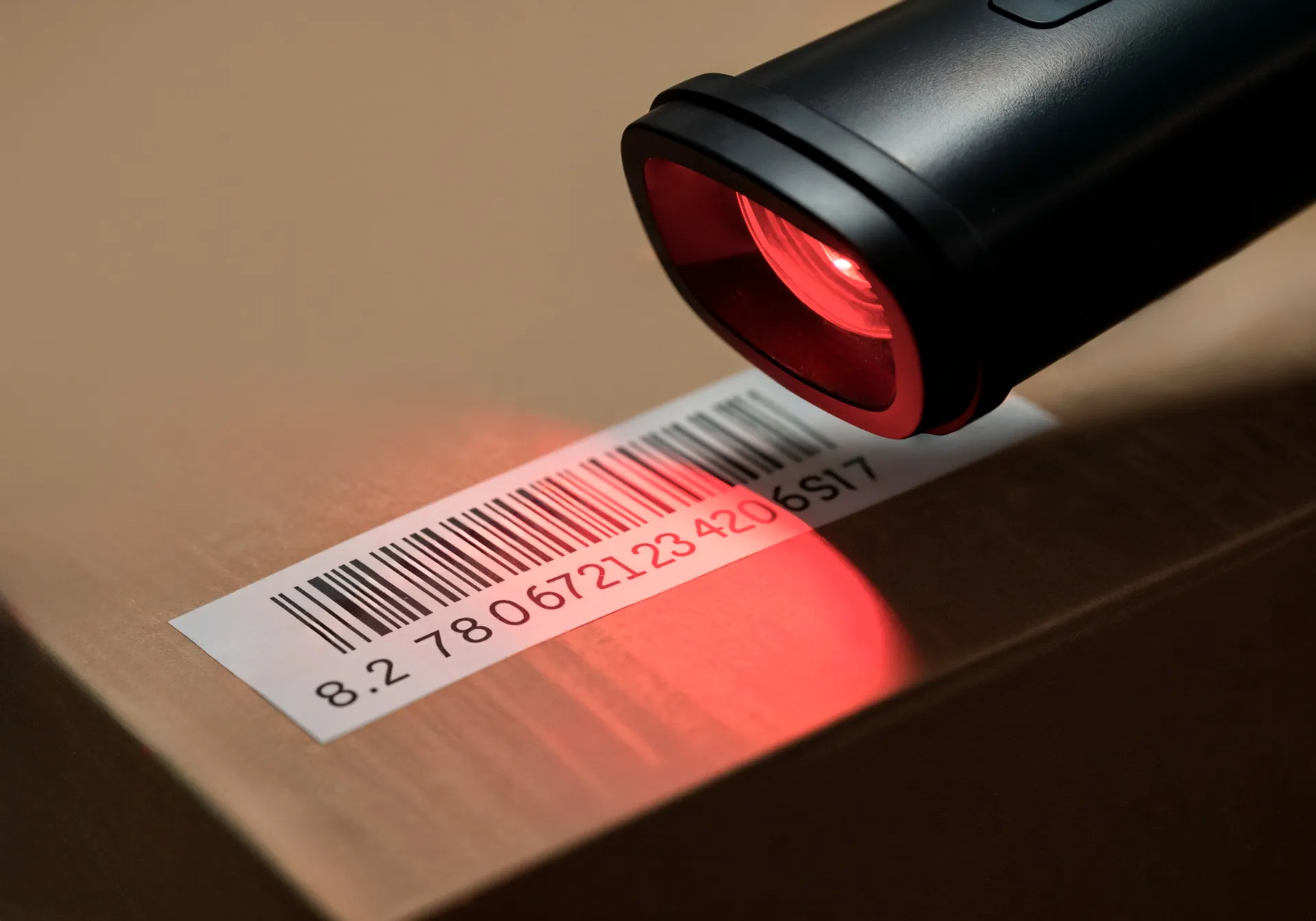
Barcodes have become a basic requirement in the garment and apparel industry in India. Whether you are a manufacturer, exporter, retailer, or an apparel brand, understanding barcode standards is essential for smooth business operations, compliance, and meeting buyer expectations. This guide explains everything you need to know about barcodes for garments in India, in simple, practical terms.
What is a Barcode in the Garment Industry?
A barcode is a machine-readable code printed on product labels or tags. In the garment industry, barcodes are used to identify each product uniquely. They help in:
- Tracking inventory
- Speeding up billing at retail counters
- Reducing manual errors
- Enabling quick stock audits
- Ensuring traceability from factory to store
Is There a Specific Barcode Standard for Garments in India?
There is no government-mandated barcode standard specifically for garments in India. However, the industry follows global standards to ensure compatibility with retailers, marketplaces, and export buyers.
Which Barcode Standard is Used in Practice?
The most widely used barcode standard for garments in India is the EAN-13 barcode, issued under the GS1 system. This is the same standard used for most retail products worldwide.
What is GS1 and Why Does it Matter?
GS1 is a global, non-profit organization that develops and maintains barcode standards used in supply chains across the world. GS1 India is the official body that issues barcodes to Indian businesses. Using GS1 barcodes ensures:
- Your products are accepted by all major retailers and marketplaces
- Each product has a globally unique code
- You avoid duplication and confusion in the supply chain
What is EAN-13 and Why is it Used for Garments?
EAN-13 stands for “European Article Number” with 13 digits. It is the most common barcode format for retail products, including garments. EAN-13 is used because:
- It is recognized by all retail POS systems
- It supports global trade and exports
- It can encode the GS1 company prefix and product code
India’s GS1 Country Prefix: 890
Every GS1 barcode starts with a country prefix. For India, this prefix is 890. If your barcode starts with 890, it means it was issued by GS1 India. Example: 8901234567890.
Why Each Garment Variant Needs a Separate Barcode
Each unique combination of style, size, color, and fit is considered a separate product in the apparel industry. For example:
- T-shirt, Red, Size M → One barcode
- T-shirt, Red, Size L → Different barcode
- T-shirt, Blue, Size M → Different barcode
This is important because:
- It helps track inventory accurately
- Prevents confusion at billing counters
- Makes stock audits and replenishment easier
Retail Barcodes vs. Internal Factory Barcodes
-
Retail Barcodes (GS1/EAN-13):
- Used for sales, billing, and supply chain
- Recognized by retailers, marketplaces, and export buyers
- Must be unique and registered with GS1
-
Internal Factory Barcodes:
- Used only within your factory or warehouse
- Can be any format (QR, Code 128, etc.)
- Not valid for retail or export
When are GS1 Barcodes Mandatory?
-
Mandatory:
- If you want to sell in large retail chains (like Reliance, Shoppers Stop, Big Bazaar)
- For selling on major online marketplaces (Amazon, Flipkart, Myntra, etc.)
- For most export buyers who require global traceability
-
Optional:
- For small local shops or internal use only
- If you are not selling through organized retail or exports
How Retailers, Marketplaces, and Export Buyers Expect Barcodes to be Used
- Retailers: Expect every product variant to have a unique GS1 barcode for billing and inventory
- Marketplaces: Require GS1 barcodes for product listing and cataloging
- Export Buyers: Often insist on GS1 barcodes for traceability and compliance
Common Mistakes Garment Businesses Make with Barcodes in India
- Using the Same Barcode for Different Variants:
- Leads to inventory mismatches and billing errors
- Not Registering with GS1:
- Unregistered or fake barcodes can get your products delisted from marketplaces
- Printing Poor Quality Barcodes:
- Barcodes that cannot be scanned cause delays and rejections
- Using Internal Barcodes for Retail:
- Internal codes are not accepted by retailers or export buyers
- Ignoring Barcode Placement:
- Barcodes should be placed where they are easy to scan (usually on the price tag or care label)
Key Takeaways
- Use GS1 EAN-13 barcodes for all garment products meant for retail or export
- Register with GS1 India to get legal, globally accepted barcodes (prefix 890)
- Assign a unique barcode to every style, size, color, and fit combination
- Use internal barcodes only for in-house tracking, not for retail
- Avoid shortcuts or fake barcodes to prevent business losses
If you have questions about barcoding for garments in India, consult GS1 India or your retail partners for the latest requirements.